There are more than 10.000 usage of silver in industrial implementation. Silver has two unique features ; high thermal and electrical conductivity that will contribute significantly to industrial and electrical field. Now lets see how silver can used differently in the daily life.
- 1-Silver in antibiotics: When silver salts are supplemented to antibiotics , its efficiency increase dramatically. Silver can decrease the bacteria’s resistance through making the antibiotic kill them easily.
- 2- Door handles: They are now covered with silver to prevent bacteria from spreading. When people touch the door with their hand , its moisture release the silver ions and thanks to those ions bacteria cannot resist.
- 3-Solar Panels: Solar panels often include 20g of silver. This industry virtually has not existed over the past 10 year , silver demand in the solar industry is increasing significantly as an alternative of energy these days.
- 4- Weather modification: Silver iodide is often used for weather. This type of climate engineering releases substances in the air (silver iodide or dry ice) to increase cloud condensation in the air usually to bring some form of rain or snow.
- 5- Photography: Although it is not so common nowadays, silver is still used in color film photography. Silver halides are used in a gelatin process with film and paper to process film due to their light sensitive features.
- 6-Use in mirrors: Reflective mirror surfaces are made with a process called ‘silvering’. While aluminum is a cheap metal to use, it only reflects ~90% of the light. Silver, with one of the highest degrees of reflectivity, reflects up to 95% – 99% of light when applied as an optical coat to a mirror
- 7- Swimming pool purification: Move over chlorine, no more burning eyes, dry skin, or that strong chemical smell. More and more people are now using electrical ionizing copper/silver units for swimming pools as an alternative to chlorine. Mineral Pure is one such manufacturer of these systems.
- 8- Refrigerators: Samsung has produced a line of refrigerators using silver nano to better protect and preserve food as a shield against harmful bacteria and the growth of organisms.
- 9- Air conditioning: a/c units now come with silver ion filters for clean fresh air. These filters help reduce pollutants in the air by releasing silver ions that block bacteria, fungus and other microbes.
- 10- Footware: silver lined insoles or fabric has the unique ability to fight bacteria and odor, which is perfect for shoes and activewear. Running, hiking, or exercising, shoes of all types can benefit from this.
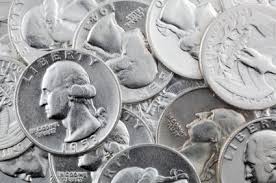
- 11- Money: Silver was used by many civilization in the past as money. This material is used by Ottoman Empire ( as mite ) , The roman empire .. i.e
If you want to use , buy here :
https://nanografi.com/nanoparticles/ag-silver-nano...
https://nanografi.com/nanoparticles/ag-silver-nano...
https://nanografi.com/nanoparticles/ag-silver-nano...
https://nanografi.com/microparticles/ag-silver-mic...
https://nanografi.com/microparticles/ag-silver-mic...
Comments
Post a Comment