Silver Nanoparticles/Nanopowder and Application of Silver Nanopowders
Information About Silver
Silver with symbol Ag is a chemical element and atomic number 47. Silver is a soft, white, lustrous transition metal, it exhibits the highest electrical conductivity, thermal conductivity, and reflectivity of any metal. Silver metal is found in the Earth's crust in the pure, free elemental form, as an alloy with gold and other metals, and in minerals such as argentite and chlorargyrite. Most silver is produced as a byproduct of copper, gold, lead, and zinc refining.
Silver Nanoparticles/Nanopowder*
Applications of Silver Nanoparticles/Nanopowder
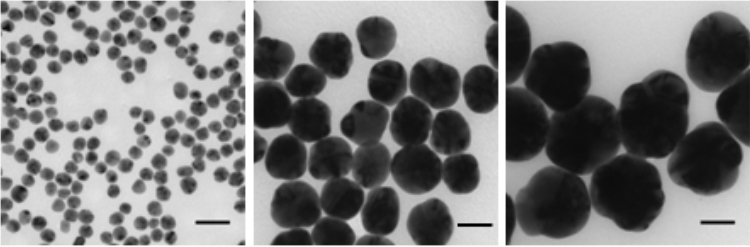
Silver nanoparticles/nanopowder have unique optical, electrical, and thermal properties and are being incorporated into products that range from photovoltaics to biological and chemical sensors. For Silver Nanoparticles/Nanopowder' high electrical high conductivity, they are used in conductive inks, pastes and fillers. Silver nanoparticles/nanopowder are also used in biosensors. Silver nanoparticles/nanopowder are incorporated in apparel, footwear, paints, wound dressings, appliances, cosmetics, and plastics for their antibacterial properties, even in some cases it finds uses in AIDS drugs. Silver nanoparticles/nanopowder are used as an antiseptic and disinfectant in medical applications and in consumer goods. Silver nanoparticles/nanopowder are started to be used in consumer goods, like washing machines, air conditioners, refrigerators. Construction materials and buildings can contain antibacterial, corrosion resistant properties by applying silver nanoparticles/nanopowder added paints on them. In addition to these usage areas of Silver Nanoparticles/Nanopowder, they can be used as catalyst in some chemical reactions.
Technical Properties of Our Ag (Silver) Nanoparticles/Nanopowder, 99.995%, 18nm, metal basis Product
| True Density (g/cm3): | 10,6 |
| Color: | black |
| Shape: | spherical |
| Crystal Structure: | cubic |
| Atomic Weight: | 107,87 |
| Tmelting:(oC): | 961,9 |
| Tboiling(oC): | 2212 |
| AVERAGE PARTICLE SIZE (nm): | 18 |
| SPECIFIC SURFACE AREA (m2/g): | 17,0-21,0 |
You may order Ag (Silver) Nanoparticles/Nanopowder, 99.995%, 18nm, metal basis from the ink given below:
Technical Properties of Our Ag (Silver) Nanoparticles/Nanopowder, Doped Antibacterial Nanopowder/Nanoparticle Product
| Bulk Density (g/cm3): | 0,39 |
| Color: | white |
| pH: | 5,7 |
| Loss on ignition (LOI) | 2,7 |
| AVERAGE PARTICLE SIZE (nm): | 100 |
| Inorganic Content: | Al2O3, HfO2, N2O, P2O5, TiO2, ZrO2 and Ag |
You may order Ag (Silver) Nanoparticles/Nanopowder, Doped Antibacterial Nanopowder/Nanoparticle from the ink given below:
Technical Properties of Our Ag (Silver) Nanoparticles/Nanopowder, 99.995%, 18nm, w/~0.25% PVP Product
| True Density (g/cm3): | 10,6 |
| Color: | black |
| Shape: | spherical |
| Crystal Structure: | cubic |
| Atomic Weight: | 107,87 |
| Tmelting:(oC): | 961,9 |
| Tboiling(oC): | 2212 |
| AVERAGE PARTICLE SIZE (nm): | 18 |
| SPECIFIC SURFACE AREA (m2/g): | 17,0-21,0 |
You may order Ag (Silver) Nanoparticles/Nanopowder, 99.995%, 18nm, w/~0.25% PVP from the ink given below:
Technical Properties of Our Ag (Silver) Nanoparticles/Nanopowder 99.995% , 45-75 nm, w/~0.25% PVP Product
| True Density (g/cm3): | 10,6 |
| Color: | black |
| Shape: | spherical |
| Crystal Structure: | cubic |
| Atomic Weight: | 107,87 |
| Tmelting:(oC): | 961,9 |
| Tboiling(oC): | 2212 |
| AVERAGE PARTICLE SIZE (nm): | 45-75 |
You may order Ag (Silver) Nanoparticles/Nanopowder 99.995% , 45-75 nm, w/~0.25% PVP from the ink given below:
Technical Properties of Our Ag (Silver) Nanoparticles/Nanopowder, 99.995%, 28-48 nm, w/~0.25% PVP Product
| Bulk Density (g/cm3): | 1,24 |
| True Density (g/cm3): | 10,6 |
| Color: | black |
| Shape: | spherical |
| Crystal Structure: | cubic |
| Atomic Weight: | 107,87 |
| Tmelting:(oC): | 961,9 |
| Tboiling(oC): | 2212 |
| AVERAGE PARTICLE SIZE (nm): | 28-48 |
| SPECIFIC SURFACE AREA (m2/g): | 7,0-10,0 |
You may order Ag (Silver) Nanoparticles/Nanopowder, 99.995%, 28-48 nm, w/~0.25% PVP from the ink given below:
Technical Properties of Our Ag (Silver) Nanoparticles/Nanopowder, 99.995%, 48-78 nm, metal basis Product
| Bulk Density (g/cm3): | 0,41 |
| True Density (g/cm3): | 10,6 |
| Color: | black |
| Shape: | spherical |
| Crystal Structure: | cubic |
| Atomic Weight: | 107,87 |
| Tmelting:(oC): | 961,9 |
| Tboiling(oC): | 2212 |
| AVERAGE PARTICLE SIZE (nm): | 48-78 |
| SPECIFIC SURFACE AREA (m2/g): | 5,45 |
You may order Ag (Silver) Nanoparticles/Nanopowder, 99.995%, 48-78 nm, metal basis from the ink given below:
Technical Properties of Our Ag (Silver) Nanoparticles/Nanopowder, 99.995%, 28-48nm, metal basis Product
| True Density (g/cm3): | 10,6 |
| Color: | black |
| Shape: | spherical |
| Crystal Structure: | cubic |
| Atomic Weight: | 107,87 |
| Tmelting:(oC): | 961,9 |
| Tboiling(oC): | 2212 |
| AVERAGE PARTICLE SIZE (nm): | 28-48 |
| SPECIFIC SURFACE AREA (m2/g): | 15,0-18,0 |
You may order Ag (Silver) Nanoparticles/Nanopowder, 99.995%, 28-48nm, metal basis from the ink given below:
Technical Properties of Our Ag (Silver) Nanoparticles/Nanopowder, Dispersion, 2.5 nm, 210ppm Product
| Ag Nanoparticle/Nanopowder Purity (%): | 99,99 |
| Ag CONCENTRATION (wt%/ppm): | 0,02/210 |
| pH: | 7 |
| Average Particle Size (nm): | 2.5 |
| Physical Status: | colorless and transparent |
| Discoloration | no |
You may order Ag (Silver) Nanoparticles/Nanopowder, Dispersion, 2.5 nm, 210ppm from the ink given below:
https://nanografi.com/nanoparticles/nanopowder/ag-silver-nanoparticles/nanopowder-dispersion-2-5-nm-210ppm/
Technical Properties of Our Ag (Silver) Nanoparticles/Nanopowder Dispersion 3 nm, 2200ppm Product
| Ag Nanoparticle/Nanopowder Purity (%): | 99,99 |
| Ag CONCENTRATION (wt%/ppm): | 0,20/2200 |
| pH: | 7 |
| Average Particle Size (nm): | 3 |
| Physical Status: | colorless and transparent |
| Discoloration | no |
You may order Ag (Silver) Nanoparticles/Nanopowder Dispersion 3 nm, 2200ppm from the ink given below:
Technical Properties of Our Ag (Silver) Nanoparticles/Nanopowder, Dispersion 14 nm, 52,000ppm Product
| Ag Nanoparticle/Nanopowder Purity (%): | 99,99 |
| Ag CONCENTRATION (wt%/ppm): | 5,0/52000 |
| pH: | 7 |
| Average Particle Size (nm): | 14 |
| Physical Status: | yellowish brown |
| Discoloration | no |
You may order Ag (Silver) Nanoparticles/Nanopowder, Dispersion 14 nm, 52,000ppm from the ink given below:
Technical Properties of Our Ag (Silver) Nanoparticles/Nanopowder Dispersion 14nm, 1200ppm Product
| Ag Nanoparticle/Nanopowder Purity (%): | 99,99 |
| Ag CONCENTRATION (wt%/ppm): | 0,10/1200 |
| pH: | 7 |
| Average Particle Size (nm): | 14 |
| Physical Status: | yellowish brown |
| Discoloration | no |
You may order Ag (Silver) Nanoparticles/Nanopowder Dispersion 14nm, 1200ppm from the ink given below:
Comments
Post a Comment