
APPLICATIONS OF FULLERENE IN MEDICINE

One of the most important uses of Fullerene is medicine.
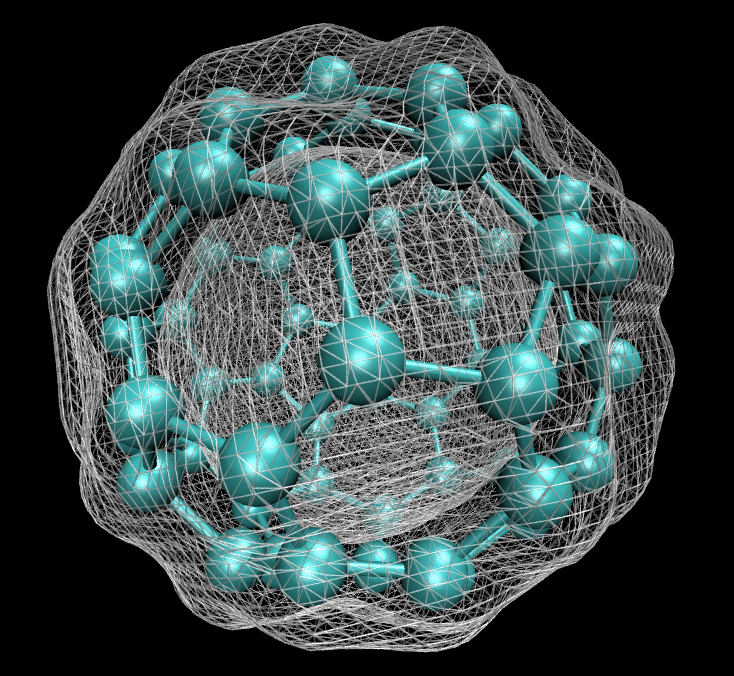
Fullerenes are active molecules.

Fullerene molecule can be used as an antioxidant because it can easily react with radicals due to the high affinity of the electron.

At the same time, Fullerene is used as an anti-aging and anti-damage agent in the cosmetic sector.

Fullerenes are used as antiviral agents. This use is provided by its unique molecular structure, antioxidant effect and biological compatibility.


Some Fullerenes can form conjugates with proteins and DNA. This situation is thought to help the development of anti-cancer treatments.

Fullerene molecule can be used in drug delivery area. The surface of Fullerene is covered with a chemotherapeutic agent. This agent finds the cancer cell and is transported directly there.

It has also been shown that the Fullerene reagent forms a protective layer on the DNA and extends the DNA life of the endosomes.

May be used for osteoporosis treatment because of its preferential localization.


Posted by

Comments

Popular posts from this blog

Molybdenum Trioxide Nanoparticles/Nanopowder and Applications

General Information about Molybdenum Trioxide                                                     Molybdenum trioxide is chemical compound with the formula MoO3. Its chief application is as an oxidation catalyst and as a raw material for the production of molybdenum metal.  Molybdenum Trioxide  is a very light blue powder. Molybdenum Trioxide Nanoparticles/Nanopowder and Their Applications                                                    Like many  nanoparticles/nanopowder , Molybdenum Trioxide nanoparticles/nanopowder are used as catalysts. These catalysis reactions include hydrogenation catalysis and cracking catalysis. Molybdenum Trioxide nanoparticles/  nanopowder are useful for...

Graphene Tyres and Graphene Brake Pads

Could Graphene Use Create A Distruptive Technology In Tyre Sector? Almost every day, we see new applications emerging from graphene. The fact is certain; graphene is a disruptive technology that holds huge potential for commercialization. Graphene has abilities to open new markets and even replace existing materials or material technologies. A brand new application of graphene came out which is producing graphene tyres and brake pads. https://www.canadacarbon.com/brake-linings-gasket... In 2016 GraphChina (Graphene Innovation Conference); Sentury and Huagao launched their first electrostatic conducting graphene tyre on September 22nd. 2-3 weeks before the conference Sentury and Huagao officially announced their cooperation on the product. During the press conference, Sentury’s engineers (which is branded with the Landsail moniker), revealed that the latest test data shows their graphene-enhanced tyre offers; 1.8 meters shorter stopping distances (6 % improvement on conv...

Characterization and potential uses of Hydroxyapatite Nanopowder/Nanoparticle

   Hydroxylapatite , also referred to as hydroxyapatite (HA), is a calcium apatite in its naturally occurring mineral form with the formula Ca5(PO4)3(OH). A fluorapatite or chlorapatite may be produced if the OH−ion is replaced by fluoride, chloride or carbonate. Hydroxylapatite crystallizes in the hexagonal crystal pattern. Pure hydroxylapatite powder is of white color. However, naturally occurring apatites can also have brown, yellow, or green hue, resembling the coloration of dental fluorosis. Hydroxyapatite Nanopowder/Nanoparticle (HApN) , nanodots or nanocrystals are spherical or faceted high surface area oxide magnetic nanostructured particles. Nanoscale Hydroxyapatite Nanopowder/Nanoparticle (HApN) are normally 20-80 nanometers (nm) with specific surface area (SSA) in the 15 - 50 m2/g range but sometimes available with an average particle size of 100 nm range with a specific surface area of approximately 5 - 10 m2/g. Hydroxyapatite Nanopowder/Nanoparticle (HApN...